1. Contact with small pet turtles was to blame for 103 Salmonella infections that occurred in 33 states between May and December 2007, according to federal health officials from the Centers for Disease Controland Prevention, Atlanta. (www.msnbc.msn.com)
Soft Version: What does a raw chicken breast, a batch of cookie dough, and a turtle have in common? They could all give you a
 nasty case of Salmonella.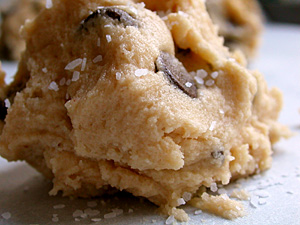

2. The Bush administration is sending strong signals that U.S. troop reductions in Iraq will slow or stop altogether this summer, a move that wouldjeopardize hopes of relieving strain on the Army andMarine Corps and revive debate over an open-ended U.S.commitment in Iraq. (www.msnbc.msn.com)
Soft Version: More, less, more, less, more… The Bush Administration just can’t seem to make up its mind when it comes to U.S. troop levels in Iraq. The constant back-and-forth has the heads and hearts of Americans spinning faster than a dreidel on Hanukkah.
3. Beijing has successfully managed to stop light rainfall in experiments aimed at guaranteeing a dry opening ceremony at August's Olympic Games, officials said on Wednesday.(abcnews.go.com)
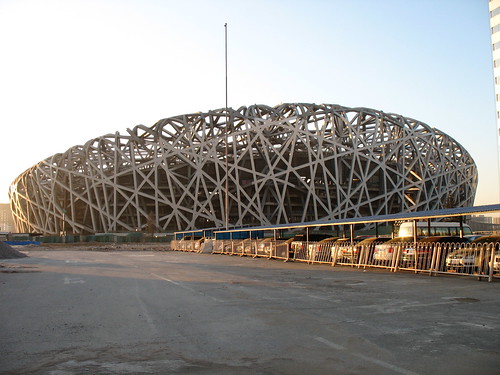 Soft Version: Mother bird Beijing is making sure it’s Bird’s Nest Stadium will stay nice and dry for this summer’s Olympic Games by taking a precaution of God-like proportions: controlling the rain.
 Soft Ledes
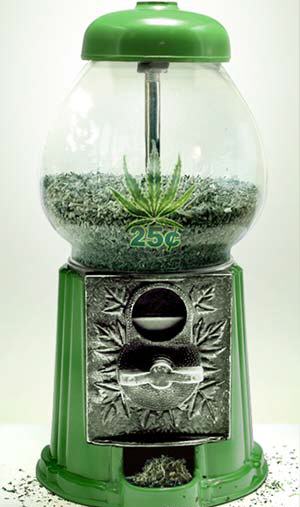
1. The city that popularized the fast food drive-thru has a new innovation: 24-hour medical marijuana vending machines. (www.msnbc.msn.com)
Hard Version: Earlier this week, three marijuana vending machines were installed throughout the city of Los Angeles to distribute 1/8-ounce packages of the controversial drug to authorized users.
2. Paul Morrison and Chicago are a perfect match. To him, winter is supposed to be cold, and in Chicago it is. (www.cnn.com)
Hard Version: Chicago’s tourism industry has not been hurt by the cold, harsh weather this winter thanks to cheaper rates, fewer crowds, and appealing winter activities.
3. Why do we eat? For sustenance, obviously. Also for pleasure, for social bonding, as a form of conspicuous consumption or an affirmation of identity or, in the case of broccoli, putatively for the antioxidants, but actually to convince God that we don't deserve to get cancer. (www.newsweek.com)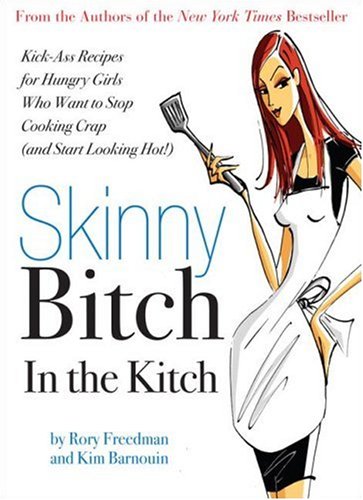
Hard Version: Two recently released diet theory books are gaining a lot of attention and stirring up controversy among health-conscious Americans for their unorthodox perspectives on nutrition.

No comments:
Post a Comment